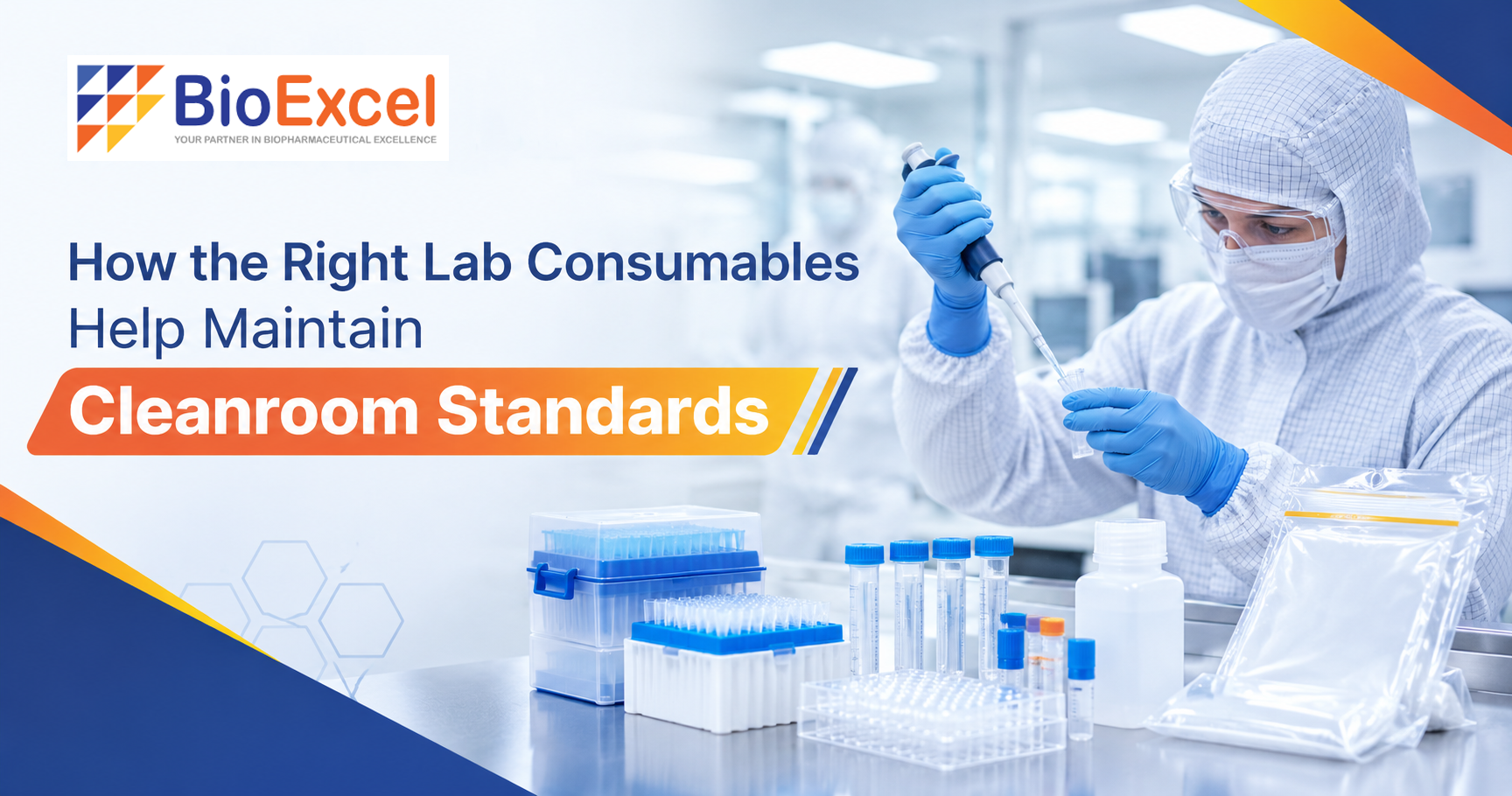
The specific needs of the clean room depend on the details of daily laboratory uses. The gloves worn by the scientists, as well as the sample vessels utilised in the process, can have a great impact on the contamination levels of the laboratory. Appropriate materials are required to safely perform liquid transfer, sample collection, and even surface cleaning.
Selecting the right laboratory supplier can aid teams in maintaining standard procedures, minimising unnecessary contamination threats, and making sure everyday operations go smoothly. For laboratories working under strict cleanliness requirements, sourcing products from a reliable cleanroom lab consumables supplier USA can help simplify procurement while supporting the needs of controlled environments.
Understanding the Importance of Lab Consumables for Cleanrooms
Cleanrooms are engineered to manage the contamination of the air and other sources of contamination. But a clean environment and air filtration is not enough to maintain these conditions. Laboratory products and equipment used by laboratory personnel must also be environmentally appropriate.
Other consumables can lead to unwanted particles, be poorly packaged or be handled improperly and cause a reduction in cleanliness. Choosing the right products aids in minimizing these risks and aids laboratory procedures.
Examples of common clean room consumables include sterile gloves, face masks, protective garments, lab wipe and swabs, sample containers and other products that are used in routine laboratory activities. Each item is used for a particular purpose and can be used for certain applications depending on the cleanliness requirements of the facility.
Selecting the Consumables for Specific Uses
Many of the lab tasks require various supplies. A good general lab product may not be appropriate for a controlled pharmaceutical manufacturing lab.
For instance, the appropriate cleanroom wipes should be chosen based on particle and fiber shedding properties. Gloves should offer appropriate protection, and still allow technicians to work with equipment and materials comfortably. Sample containers should be suitable for the substances they contain and for the testing method that is to be used.
Laboratories should review the cleanroom classification, product specifications, packaging, sterility requirements and compatibility with the process prior to ordering supplies. Having a reliable suppliers of cleanroom lab consumables in USA can assist procurement teams in determining which products will suit their working needs.
The First Step in Contamination Control is to Handle
Appropriate feed materials can also become contaminated if not handled correctly. Breakdowns of protocols can be created by opening packages outside of designated areas, touching clean surfaces with contaminated gloves or the reuse of disposable materials.
These problems can be prevented through the use of staff training and standard operating procedures. Staff should be aware of the procedure for introducing materials into cleanrooms, unpacking (where necessary) and disposal of used materials.
Consistency is also maintained by regularly checking the conditions of the products being received and stored. Consumables should be kept in a manner that prevents damage, moisture and other conditions that might impact the suitability before use.
Quality, Packaging, and Documentation
When selecting products, consider the quality information, especially for products used in the pharmaceutical and biotechnology sectors. Depending on the application, laboratories may have a need for documentation of material specifications, sterility, cleanliness, batch identification or traceability.
The packaging cannot be overlooked. Packaging plays an important role in the protection of consumables during transport and storage and in the controlled introduction in the cleanroom.
Another factor for procurement teams to take into account is supply continuity. When there is not sufficient supply of required lab supplies like gloves, wipes or other consumables, routine work will be hampered and put under unnecessary pressure on lab personnel. Making replenishment easier to manage can be achieved through clear and consistent product information from a supplier.
Building a Reliable Cleanroom Supply Process
Cleanroom consumables are used on a routine, every day basis, making their procurement a routine part of the working day. A good product list, keeping inventory, and evaluating suppliers' performance can prevent a laboratory from having to make late changes.
Having consistent and appropriate consumables throughout teams can help eliminate confusion and make training staff a little easier. Substitutions should be considered prior to implementation, however, to ensure that the alternative is suitable and will meet the required specifications.
By following the same purchasing procedure, laboratories will have more control over product selection, and will ensure that everyday practices are consistent with cleanroom practices.
Conclusion
When it comes to maintaining cleanrooms, all of the following points need to be taken into account: what are the consumables in the lab and how are they being used on a day to day basis? The process of contamination control is made easier by the use of suitable consumables, while reliable sourcing provides continuous supply of materials required by laboratories.
BioExcel Pharma provides product solutions for controlled applications to meet the pharmaceutical and laboratory needs. Talk to BioExcel Pharma about your cleanroom consumable requirements and how to find the best fit for your facility.